
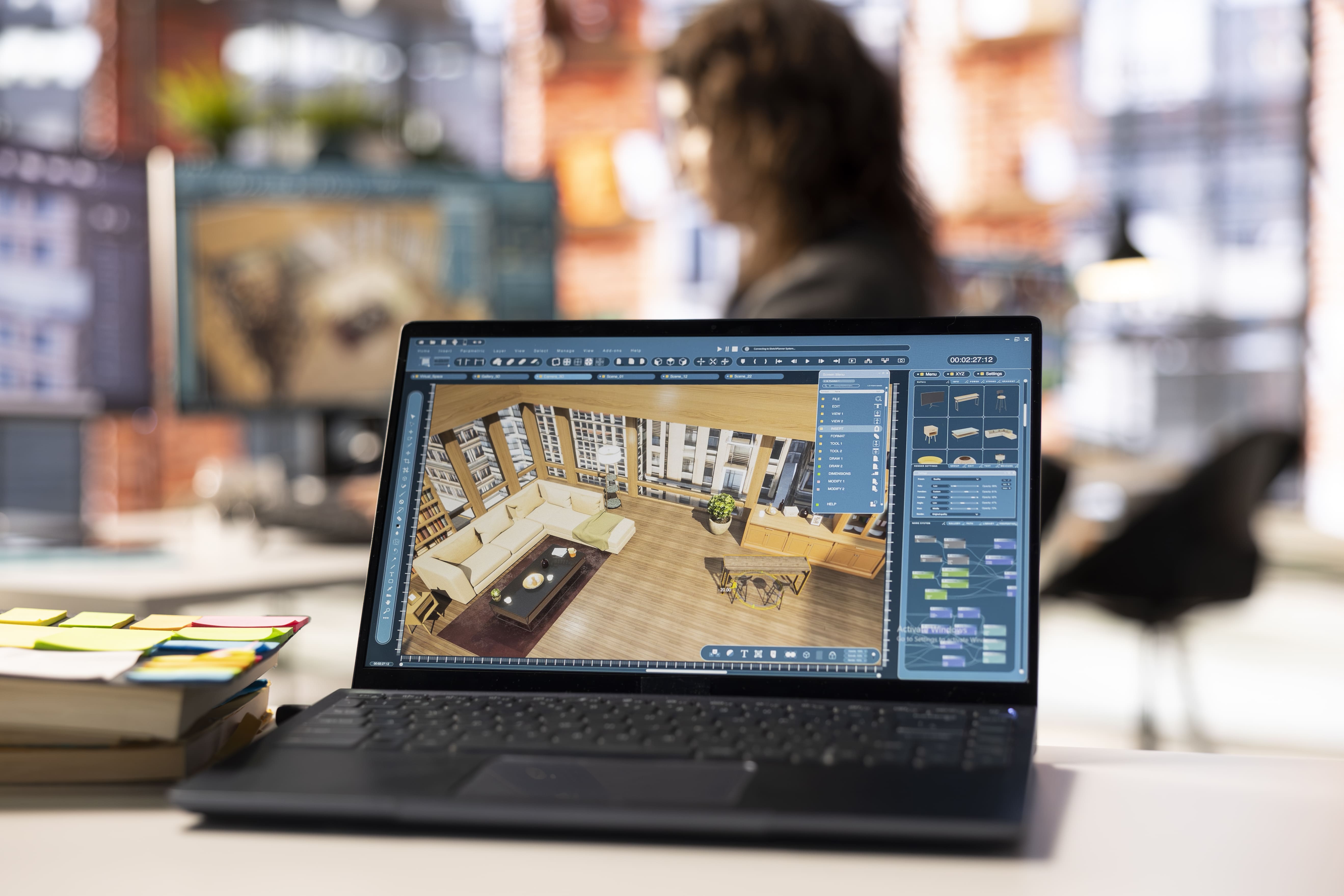
As laminate and interior businesses grow, their software needs change. What works for a single showroom often fails when operations expand across cities, teams, and digital channels. This is where SaaS-based laminate visualization software becomes essential.
SaaS architecture is not just a delivery model, it is a foundation that supports speed, flexibility, and long-term scalability.
What SaaS Really Means in Visualization Software
SaaS, or Software as a Service, means the visualization platform is hosted in the cloud and accessed through the internet. Users do not need complex installations or dedicated hardware to use the software.
For laminate visualization, this allows teams to focus on using the tool, not managing it. Updates, improvements, and maintenance happen centrally, without disrupting daily operations.
Scalability Without Infrastructure Complexity
One of the biggest advantages of SaaS-based visualization software is scalability. As laminate catalogs grow and teams expand, the software adapts without requiring technical changes on the user’s side.
Businesses can:
- Add more users easily
- Expand usage across locations
- Manage growing laminate collections
All without worrying about servers or software upgrades.
Consistent Performance Across Locations
In traditional software setups, performance can vary depending on hardware and local installations. SaaS-based visualization ensures consistent performance because the processing and data handling happen in a controlled cloud environment.
This consistency is especially important for businesses with:
- Multiple showrooms
- Distributed sales teams
- Dealer and distributor networks
Everyone experiences the same level of performance and accuracy.
Always Up-to-Date Visual Content
Laminate collections change frequently. New designs are introduced, and older ones are updated or removed. SaaS platforms allow businesses to update their visual catalogs centrally.
This ensures:
- No outdated designs in circulation
- Faster rollout of new collections
- Consistent presentation across teams
Keeping everyone aligned becomes easier and more reliable.
Supporting Remote and Hybrid Workflows
Modern businesses operate beyond physical offices. Sales teams present remotely, designers collaborate online, and clients expect digital interaction.
SaaS-based visualization software supports these workflows by allowing access from anywhere. Whether in a showroom, office, or client meeting, the same visual tools are available.
Security and Reliability in Cloud-Based Platforms
For B2B businesses, data security and system reliability are critical. SaaS platforms are designed with structured access controls and secure data handling.
This ensures:
- Controlled user access
- Protected laminate data
- Reliable system uptime
Security becomes part of the platform, not an afterthought.
Why SaaS Enables Omni-Channel Visualization
Because SaaS platforms centralize data, the same laminate visuals can be used across websites, showrooms, presentations, and sales tools.
This creates a unified visual language across all business channels, supporting omni-channel strategies without duplication or inconsistency.
How Lamisel Uses SaaS to Support Business Growth
Lamisel is built as a SaaS-based laminate visualization platform. This allows businesses to scale usage, manage growing catalogs, and maintain consistent performance without technical overhead.
Its cloud-based architecture ensures that visualization remains reliable, accessible, and ready for future expansion.
Explore More
Top Laminate Visualizer Tools in 2026
Explore the top laminate visualiser tools in 2026 and compare their features, performance, and AI ca...
Read More
The Future of Laminate Visualization: AI, Automation, and Digital Decision-Making
The laminate industry is no longer limited to physical showrooms and in-person meetings. Customers t...
Read More
How Laminate Visualization Software Integrates with Sales, Marketing, and Digital Catalogues
The laminate and interior industry is entering a new phase where technology is not just supporting d...
Read More