
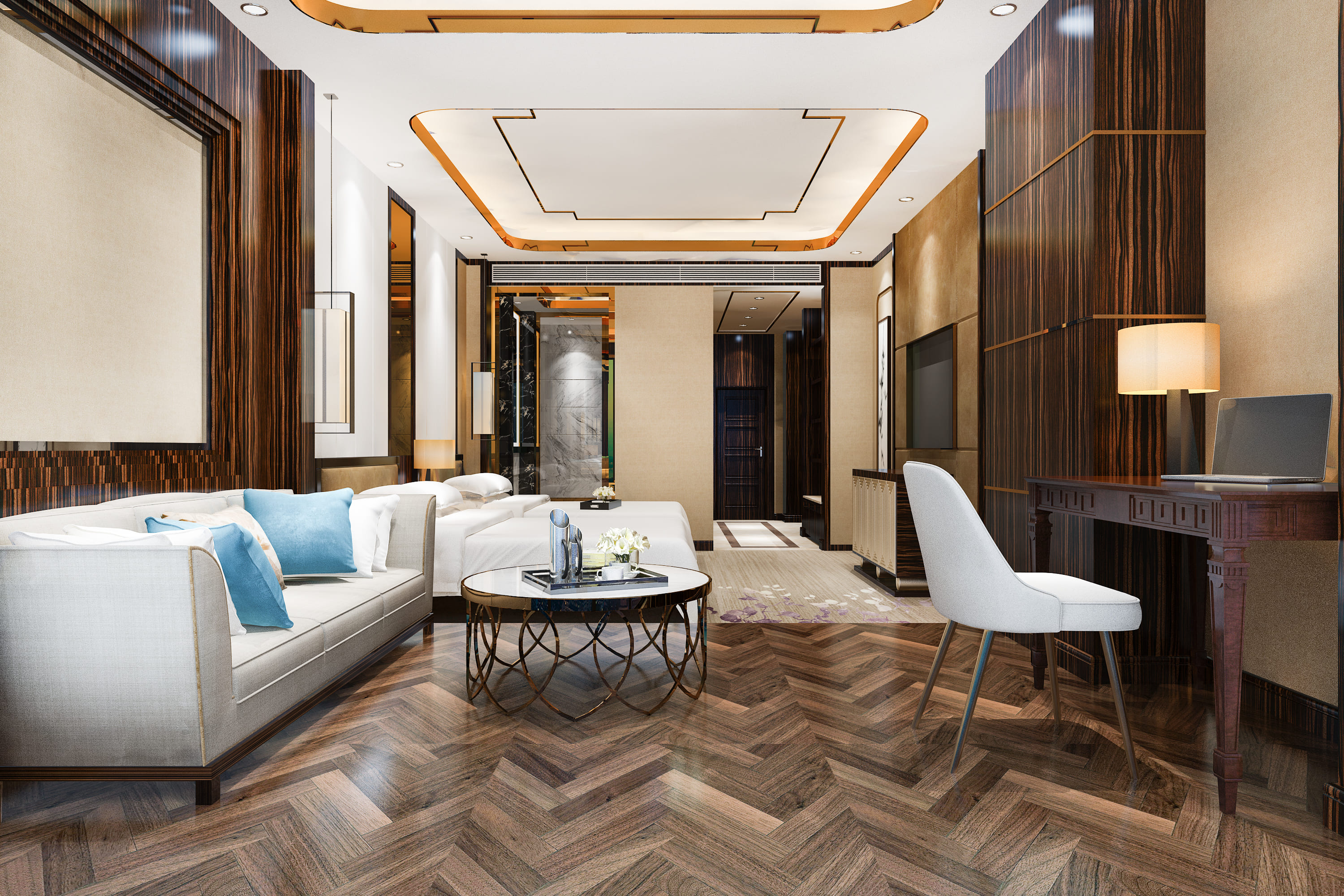
As interior and furniture design becomes more digital, the way products are presented must evolve as well. Laminate visualization software has emerged as a powerful technology that helps businesses move beyond static images and physical samples toward interactive, visual decision-making.
This technology is not just about appearance. it is about accuracy, efficiency, and communication.
Understanding Laminate Visualization Software
Laminate visualization software is a digital platform that allows users to preview laminate finishes on real interior and furniture surfaces. Instead of showing laminates as flat swatches, the software applies them to wardrobes, cabinets, furniture panels, doors, and interior walls.
This helps users understand how a laminate behaves on a large surface, under lighting conditions, and alongside other interior elements.
Why Traditional Tools Are No Longer Enough
Printed catalogs and sample boards show only fragments of a laminate. They do not explain scale, proportion, or real usage. As interiors become more design-focused, this limitation becomes more noticeable.
Software-based visualization fills this gap by translating product data into realistic interior previews. It turns abstract product selection into a concrete visual experience.
How Interior Visualization Technology Works
At the core of laminate visualization software is surface-mapping technology. The software maps laminate textures onto predefined interior and furniture surfaces, adjusting scale and orientation to match real-world usage.
This allows users to:
- See how textures repeat
- Understand colour depth on large panels
- Compare finishes accurately
The result is a more realistic and reliable preview.
Furniture Visualization for Real Applications
Furniture surfaces behave differently than floors or walls. Laminates used on wardrobes, cabinets, or TV units require accurate visualization tailored to furniture proportions.
Modern visualization software focuses on:
- Vertical and horizontal furniture surfaces
- Cabinet shutters and panels
- Storage units and modular furniture
This makes the preview far more relevant for interior and furniture businesses.
The Role of Design Preview Software in Decision-Making
Design preview software helps stakeholders align faster. Designers, sales teams, and customers can all look at the same visual reference, reducing confusion and misinterpretation.
Instead of lengthy explanations, decisions are made visually, which improves clarity and speeds up approvals.
Why SaaS-Based Visualization Is the Future
Most modern laminate visualization platforms are offered as SaaS (Software as a Service) solutions. This means businesses can access the software online without complex installation or hardware requirements.
SaaS-based visualization allows:
- Easy access across devices
- Faster updates and improvements
- Scalable usage for growing teams
This makes it suitable for both small businesses and large enterprises.
How Technology Improves Accuracy and Consistency
One of the biggest advantages of visualization software is consistency. The same laminate can be shown the same way across:
- Websites
- Showrooms
- Sales presentations
- Dealer networks
This ensures that product representation remains accurate and uniform, regardless of where it is viewed.
Why Laminate Visualization Is Becoming a Standard Tool
As customers expect transparency and clarity, visualization software is no longer optional. It is becoming a standard tool for interior-focused businesses that want to:
- Reduce errors
- Improve communication
- Offer better customer experience
Technology is now a core part of the laminate selection process.
How Lamisel Fits into This Technology Shift
Lamisel is built specifically for interior and furniture laminate visualization, focusing on real applications rather than generic surfaces. Its technology is designed to support business workflows while remaining simple to use.
By combining visualization accuracy with usability, Lamisel bridges the gap between software and practical business needs.
Explore More
Top Laminate Visualizer Tools in 2026
Explore the top laminate visualiser tools in 2026 and compare their features, performance, and AI ca...
Read More
The Future of Laminate Visualization: AI, Automation, and Digital Decision-Making
The laminate industry is no longer limited to physical showrooms and in-person meetings. Customers t...
Read More
How Laminate Visualization Software Integrates with Sales, Marketing, and Digital Catalogues
The laminate and interior industry is entering a new phase where technology is not just supporting d...
Read More